Beginners guide
Your First Motorcycle Holiday: The Complete Beginner’s Guide
Thinking about your first motorcycle holiday? This guide covers everything a first-timer needs — how to choose a beginner-friendly tour, what it costs, how booking works, and what the support around you actually looks like — so you can book with confidence.

By Ben Crawford, Co-founderUpdated 8 July 2026
The numbers worth knowing
The key figures behind this guide, from riders and operators across the marketplace.
Browse all tripsKey takeaways
- A first motorcycle holiday is best kept to 5–7 days with daily distances around 150–250 km — enough to see a region without exhausting a new tourer.
- Both guided and self-guided tours include 24/7 operator support, so first-timers are never truly on their own.
- A deposit of 20–25% secures a booking; choosing a beginner-friendly tour matters more than picking the destination.
Beginner-friendly motorcycle holidays
View all →
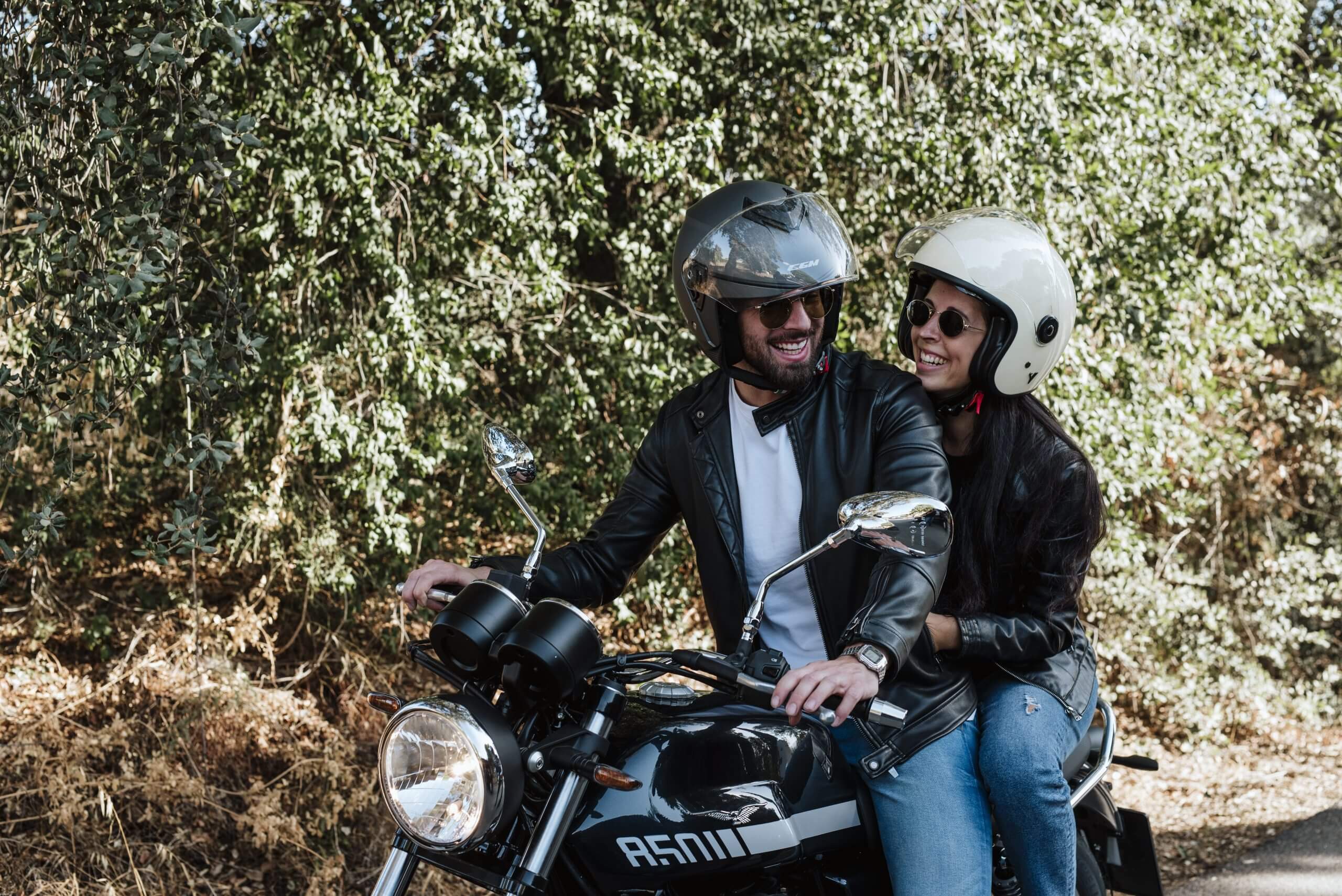 Road Touring
The Ultimate Gourmet Tour
Andalusia, Spain
Dates on request · 8 days · Gourmet Biker Tours
€4,366 / person
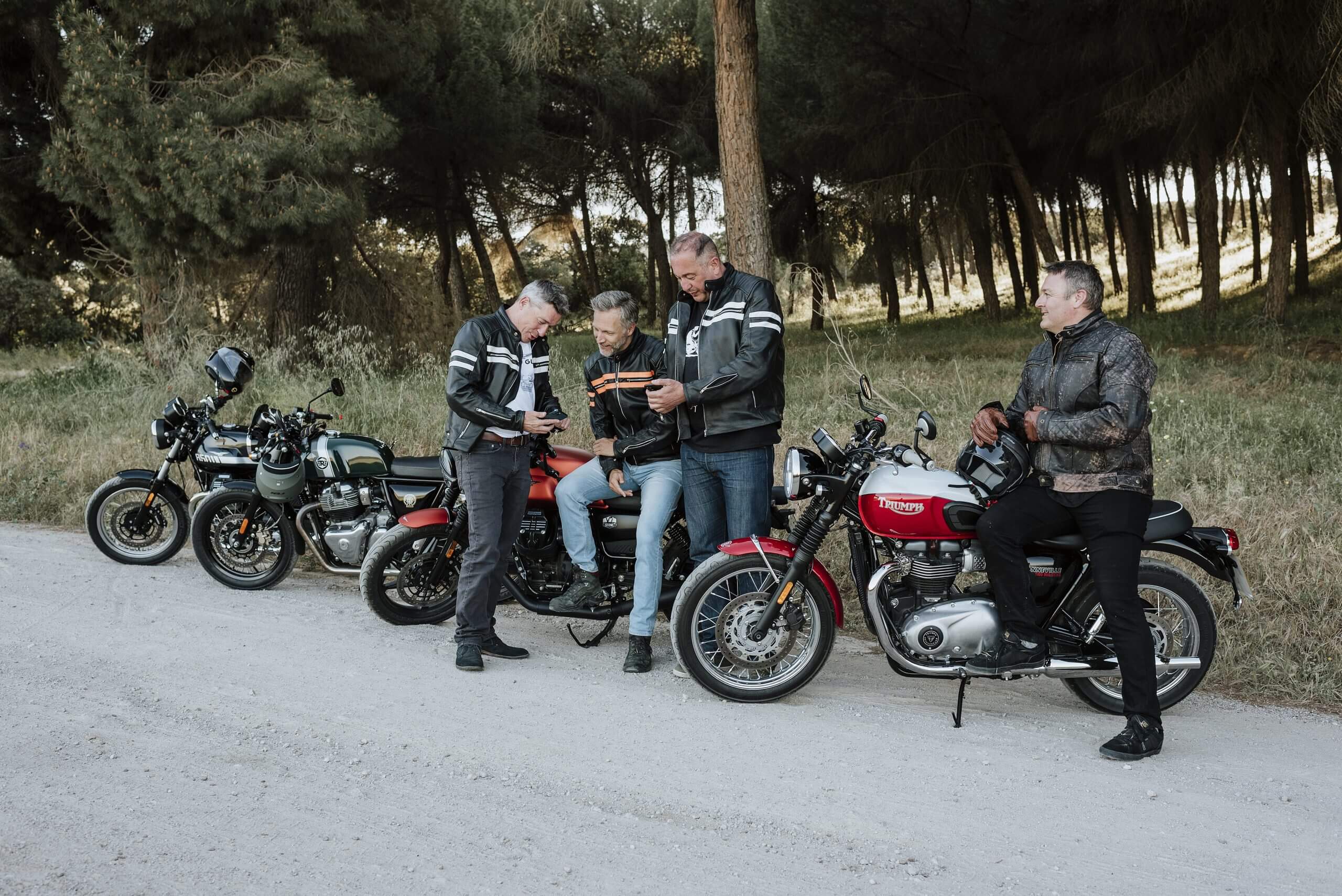 Road Touring
The Signature Gourmet Tour
Andalusia, Spain
Dates on request · 8 days · Gourmet Biker Tours
€3,021 / person
The honest truth
Why a first motorcycle holiday is easier than you think
You do not need to be an expert rider, own a dedicated touring bike, or speak three languages to enjoy your first motorcycle holiday. The modern touring industry is built around making that first leap easy: operators handle accommodation, luggage, routes and breakdown back-up, leaving you to do the one thing you already know how to do — ride. Ask riders who finally took the plunge and you will hear the same sentence again and again: "I should have done this years ago."
The biggest misconception is that touring means extreme distance. A well-designed beginner itinerary covers 150–250 kilometres a day on scenic roads, with coffee stops, viewpoints and a proper lunch built into the schedule. That is three to four hours of relaxed riding — less saddle time than many weekend club runs — spread across a whole day. Fatigue is managed for you by people who plan riding routes for a living.
Destination matters more than machinery. Portugal, southern Spain and the south of France are consistently the best first-tour choices in Europe: forgiving weather, superb road surfaces, light traffic outside the cities, and an infrastructure of fuel stations, cafés and rider-friendly hotels shaped by decades of touring. Scotland offers the same reliability with wilder scenery, if you do not mind packing waterproofs.
The final piece is the safety net. On a guided tour a lead rider knows every junction, and a support vehicle carries your luggage — and your bike, should it develop a problem. Even self-guided packages include pre-loaded GPS routes, pre-booked hotels and a 24/7 phone line to someone who knows the region. The support is real, and it is exactly why thousands of riders take their first motorcycle tour every season and come home already planning the second.


Where to go first
Portugal: the first-tour destination that keeps winning
Portugal is one of the countries operators recommend most often for a first motorcycle holiday, and it is easy to see why once the reasons stack up. The climate is the most forgiving in western Europe: long dry seasons, an Atlantic breeze that takes the edge off summer, and shoulder months (May, June, September) that are all but guaranteed riding weather. The road surfaces rank among Europe’s best after two decades of infrastructure investment, and once you are off the motorways, traffic thins to almost nothing — the interior N-roads can feel private.
The geography does a beginner favours too. Portugal is compact, so daily stages stay short without the itinerary feeling thin: coast one day, cork-oak hills the next, the Douro valley’s terraced switchbacks the day after, rarely more than a few relaxed hours apart. The N2 — the historic north–south road that runs the length of the country — has become a touring classic precisely because it strings all of this together at first-tour pace. Add rider-friendly hotels, inexpensive good food and a culture that treats guests gently, and the learning curve flattens out.
The paperwork is gentle as well — standard EU licence rules apply, with no country-specific surprises beyond the electronic tolls covered in our riding-laws guide. If you want the shortest route from "thinking about it" to "on the bike and grinning", a five-to-seven-day guided loop out of Porto or Faro is as close to a sure thing as motorcycle travel offers. Browse the Portugal trips, check the beginner-graded departures, and you are most of the way to tour number one.

Choosing well
How to choose a beginner-friendly motorcycle tour
Start with length. Five to seven days is the sweet spot for a first motorcycle holiday: long enough to settle into the rhythm of touring — most riders need two days before they stop checking the odometer — but short enough that a bad-weather day or an aching back never becomes a problem. Save the three-week Trans-Alpine epic for tour number three.
Then look at the daily distances in the itinerary. Anything averaging under 250 kilometres a day is beginner territory; 300 kilometres and up means fewer stops and more discipline. Good operators publish the daily route breakdown — if a listing only gives you a total distance, ask for the day-by-day figures before booking. While you are at it, check the rest-day policy: a mid-tour day off the bike in a town worth exploring is the mark of an itinerary designed by someone who actually tours.
Read the experience grading carefully, and honestly. Ratings on Motorcycle Holiday run from beginner-friendly to expert, and they describe the roads, not your licence: a "beginner" grading means predictable surfaces, gentle gradients and no gravel; "intermediate" can mean 200 hairpins before lunch. If you have never ridden fully loaded, or never ridden on the other side of the road, choose one grade below where your ego points.
Finally, weigh the season and the destination together. A first tour is far more enjoyable in dry, warm, predictable conditions — late May, June and September in southern Europe are ideal, avoiding both the spring rains and the August crowds. Combine a beginner-graded itinerary, modest daily distances and a stable season, and you have removed almost every variable that turns first tours sour. What remains is the good part: the riding.

What to look for in a first tour
Run any tour you are considering against this list — a good beginner trip ticks every box.
- Beginner or “all levels” experience grading
- Daily distances under 250 km with published day-by-day routes
- 5–7 day duration with at least one rest day on week-long trips
- Support vehicle (guided) or 24/7 assistance line (self-guided)
- Motorcycle hire available so you can fly rather than ride out
- Dry-season departure dates in a proven touring region
- Clear pricing: what is included, what is extra, deposit terms
Formats compared
Guided, self-guided or group riding: which suits a beginner?
Guided tours are the classic first-timer format, and for good reason. A professional lead rider sets the pace and knows every fuel stop, a support vehicle carries luggage and handles any mechanical drama, and the evenings come with a built-in group of people who like exactly what you like. You surrender some freedom — the route and the schedule are fixed — but in exchange, every logistical worry belongs to someone else. If the idea of navigating a foreign motorway network on day one makes your palms sweat, book guided and relax.
Self-guided tours keep the operator’s infrastructure — hotels booked, luggage transferred between stops, GPS routes loaded, a phone number that always answers — but put you on the road alone or with your own small group. You ride at your own pace, stop when something looks interesting, and never wait for the slowest rider. It suits couples and confident navigators, and it is noticeably cheaper than guided. The trade-off is that when a tyre goes flat in rural Spain, help is a phone call away rather than in your mirrors.
Group bookings are the third route in: a riding club or a bunch of friends taking over a departure, sometimes with a private guide. If you already ride with a regular crew, this is often the easiest sell — familiar company, shared costs and someone else doing the planning.
For a genuine first tour our honest recommendation is guided, with self-guided a close second for experienced road riders who simply have not toured abroad before. Whichever you choose, the format matters less than the fit: read what past riders say, check how long the operator has run the route, and pick the trip whose pace matches the holiday you actually want.


The practical bit
How booking a motorcycle holiday works
Booking a motorcycle holiday is closer to booking a small-group adventure trip than a package beach week, and knowing the rhythm removes the anxiety. You book directly with the operator through the listing: a deposit — typically 20 to 25 per cent — secures your place on a departure, with the balance falling due six to eight weeks before you leave. Between those two payments, most operators are happy to answer questions, adjust bike choices and accommodate dietary or room preferences; the good ones actively check in.
Once the deposit lands you will receive a pre-departure pack. Read it — it is not boilerplate. It covers the recommended kit list for the climate, licence and document requirements, bike hire options and sizes, insurance expectations, and the meeting logistics for day one. If you are hiring a bike, this is when you confirm the model; popular sizes go first, so decide early rather than at the airport.
The weeks before departure are simple if you work down the list. Check your passport and licence dates. Confirm your travel insurance covers motorcycling — many standard policies exclude it, and this catches riders out every single season. If you are taking your own bike, book a service and check tyre life; if you are flying, weigh your riding kit against airline baggage rules (helmets travel as hand luggage, always).
The final week is the enjoyable kind of admin: download offline maps as a GPS backup, share your itinerary with someone at home, and re-read the day-one meeting details. Then get on the plane, or point the front wheel south. The hard part — deciding to go — was over months ago.
From daydream to departure in four steps
Choose your first trip
Start with a guided tour in a destination known for well-maintained roads and reliable infrastructure — Portugal, southern France, or Scotland are all excellent first choices. Look for tours with a beginner-friendly label, daily distances under 250 km, and a support vehicle.
Sort your bike
You don’t need a touring bike to start. Operators can advise on suitable machines, and many offer hire packages. If bringing your own, an adventure tourer, sports tourer, or naked bike over 500cc is typically well-suited. Make sure it’s serviced before departure.
Book and prepare
Most trips can be booked directly through the operator on Motorcycle Holiday. Deposits are typically 20–25%, with the balance due 6–8 weeks before departure. Once booked, your operator will send a detailed pre-departure pack covering kit, route, and logistics.
The week before departure
Check your bike, pack your gear, and confirm your insurance covers touring abroad. Download offline maps as a backup to GPS. Share your itinerary with someone at home. Then relax — the hard work is done.
Frequently asked questions
The questions riders ask most before booking.
Keep reading

Your first tour
What to Expect on a Motorcycle Tour: An Honest Day-by-Day Picture
Not sure what a motorcycle holiday actually looks like day to day? Here’s the honest picture — the morning briefings, the riding rhythm, the people you’ll share it with, the evenings, and what really happens when a bike gets a flat halfway up a mountain.

Gear guide
Motorcycle Touring Gear: The Complete Checklist for Any Climate
The right gear is the difference between enjoying a tour and enduring it. This guide covers what to wear from helmet to boots, how to choose a luggage system, the art of packing light, and how to prepare your bike — with a packing checklist you can actually use.

Practical guide
Motorcycle Riding Laws by Country: Licences, Insurance & Documents
Licence categories, insurance paperwork, and the road rules that actually differ once you cross a border — country by country for Spain, Portugal, Morocco, Italy, France, and Germany. This is practical information, not legal advice: rules change, so verify anything critical with the official national road authority before you travel.
About the author
Ben Crawford
Co-founder
Ben Crawford is a co-founder of Motorcycle Holiday: a software nut by day and an adventure rider by dream. He builds the site that helps riders find the right tour.