Browse by region
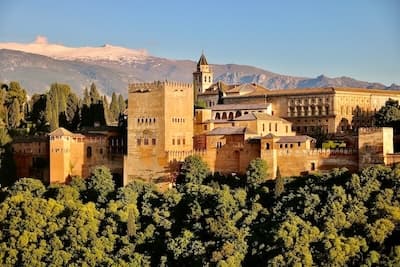
All trips in Spain
9 trips found
 Adventure Touring
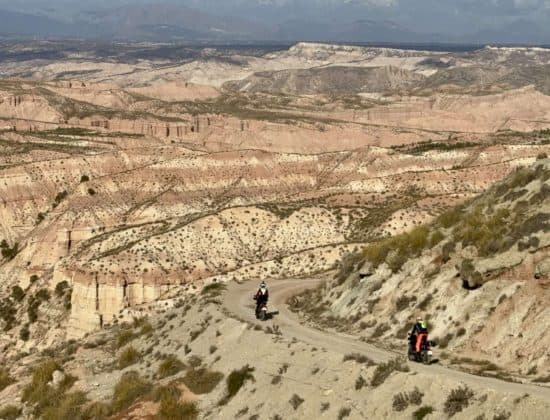
Andalusia East Motorcycle Tour Off Road
Andalusia, Spain
Nov 6 – 11 · 6 days · Aries Moto Tours
Contact for price
 Road Touring
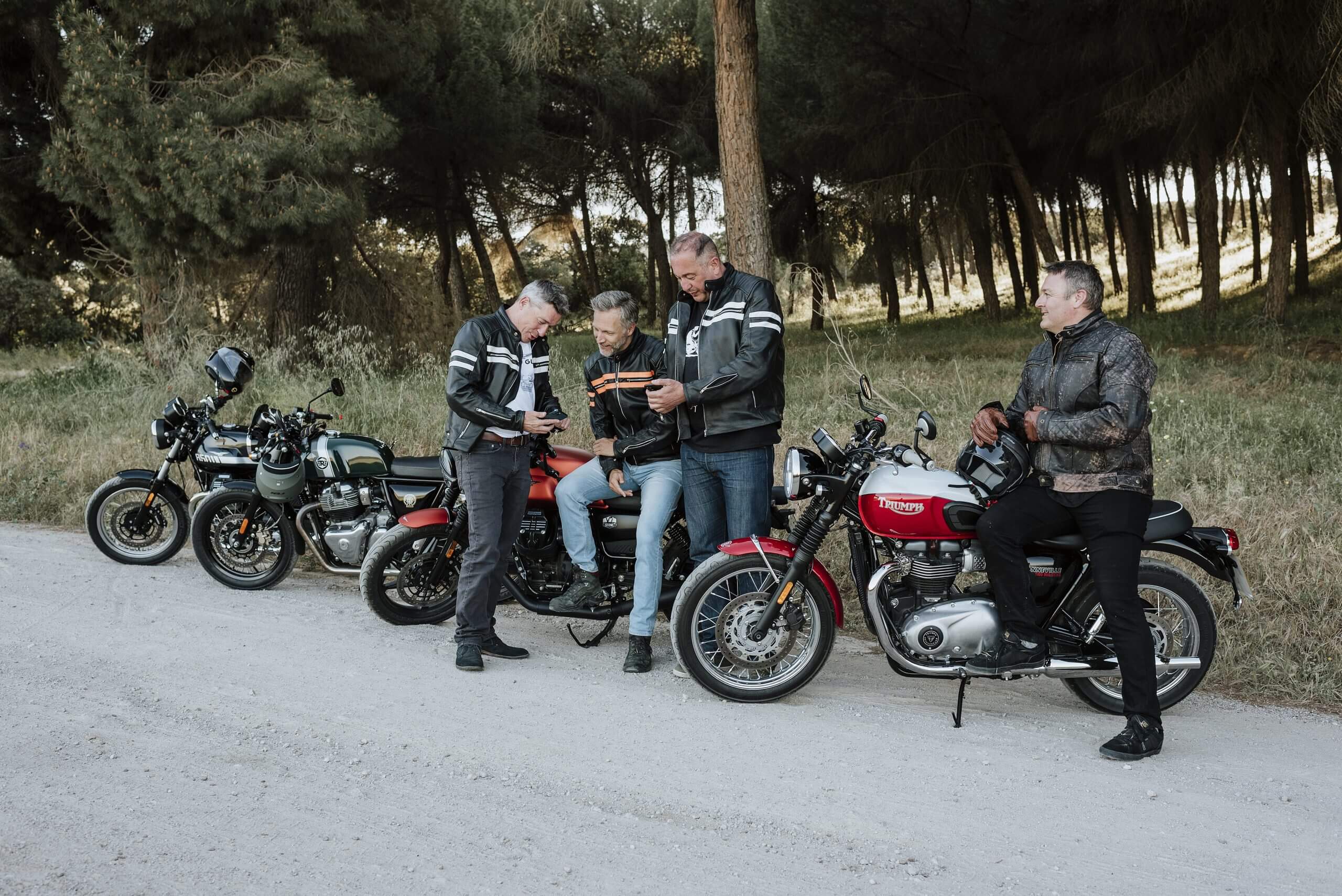
The Ultimate Gourmet Tour
Andalusia, Spain
Dates on request · 8 days · Gourmet Biker Tours
Contact for price
 Road Touring
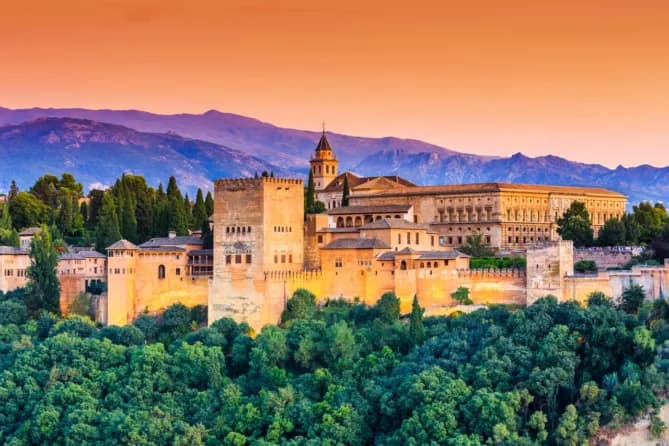
The Signature Gourmet Tour
Andalusia, Spain
Dates on request · 8 days · Gourmet Biker Tours
Contact for price
 Road Touring
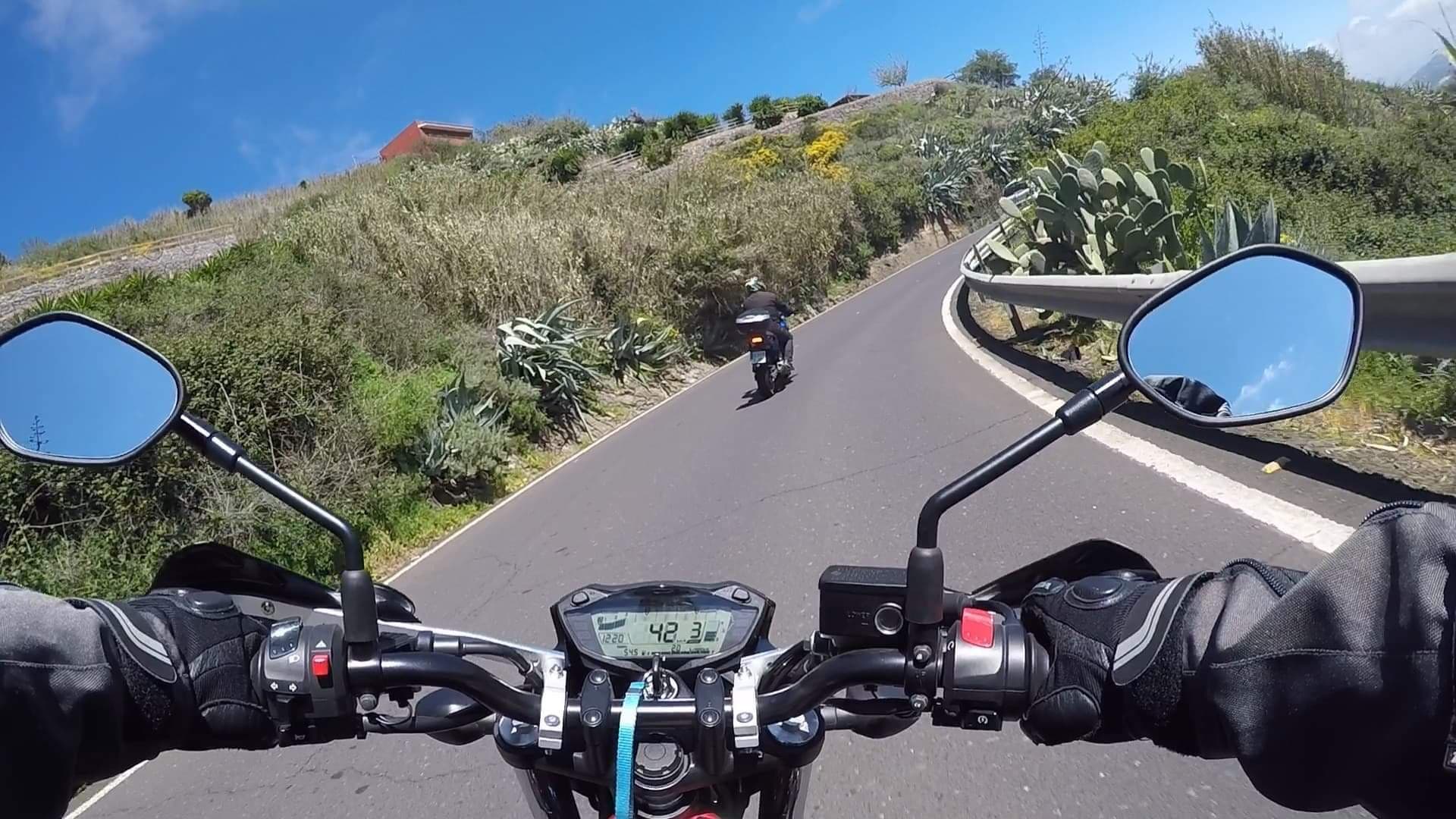
Grand Andalusia
Andalusia, Spain
Dates on request · 9 days · Aries Moto Tours
Contact for price
Motorcycle Tours in Spain: Sun, Mountains & Endless Roads
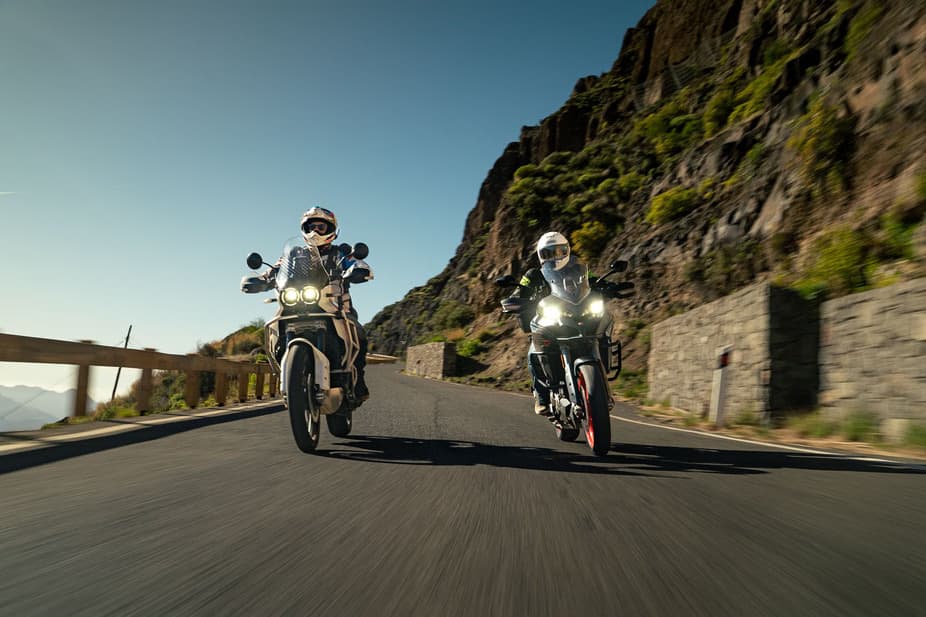
Spain is one of Europe's great destinations for a motorcycle tour, with an extraordinary blend of empty mountain roads, Mediterranean coastline, and vast desert-like landscapes that feel like nowhere else on the continent. From the Pyrenees to Andalusia, Spain's road network is among the most rider-friendly on the continent, with smooth tarmac, generous curves, and far fewer tourists than neighbouring countries. Add in warm weather for most of the year, affordable accommodation, and a culture that embraces late-night dining and relaxed living, and you have one of Europe's finest destinations for a motorcycle holiday — whether you join a guided group, follow a self-guided route book, or plan the whole trip yourself.
Key takeaways
- Spain offers Europe's longest riding season: Andalusia and the Mediterranean coast stay rideable through winter and the Canary Islands ride year-round, while April–June and September–October are the sweet spots elsewhere.
- The sparsely populated interior — the Picos de Europa, Sierra Nevada, and the Pyrenees — delivers empty, flowing mountain roads, and touring is notably more affordable than France, Italy, or northern Europe.
- Organised Spanish tours typically cover 200–300 km a day on twisting mountain roads, and Spain is one of the easiest European countries to ride self-guided thanks to light traffic and good signposting.
- Spain is also a leading off-road destination, with one of Europe's largest networks of legal unpaved trails (pistas forestales) in Andalusia, Aragón, and Extremadura.
Guided Motorcycle Tours in Spain
Most riders booking a first Spanish tour choose a guided trip, and Spain's operators are among the most experienced in Europe. A guided motorcycle tour in Spain typically includes a lead rider who knows every pass and coffee stop, a support vehicle for luggage, pre-booked hotels, and a route refined over years of riding the same sierras. Groups are small — usually six to twelve bikes — and daily distances of 200–300 km leave time for long lunches and detours. If you prefer riding at your own pace, most Spanish operators also offer self-guided versions of the same routes, with GPS tracks, hotel bookings, and luggage transfers arranged for you. Compare the trips on this page, or browse all guided riding holidays to see what's departing this season.
Riding in Southern Spain: Andalusia and Beyond
Southern Spain is where the country's riding reputation was made. Andalusia concentrates the best of it: the white villages of the Sierra de Grazalema, Ronda's gorge-top drama, the Sierra Nevada's 3,000-metre backdrop, and a winter climate mild enough to ride in January. The best motorcycle roads in southern Spain — the A-397 up to Ronda, the high road down from the Sierra Nevada, the Cabo de Gata coast — pack more corners into a week than most riders see in a year at home. Off-road and trail riders are equally well served: Andalusia's network of legal pistas forestales makes it one of Europe's great adventure-riding playgrounds. Start with the Andalusia region page for routes and trips, or head offshore to the Canary Islands for volcanic island riding that stays warm all winter.
Why Spain is a Top Motorcycle Destination
Empty, Flowing Mountain Roads
Spain's interior is sparsely populated compared to the rest of Western Europe. This means long stretches of perfectly paved, beautifully flowing mountain roads with virtually no traffic. The Picos de Europa, Sierra Nevada, and the Pyrenees deliver world-class riding.
Incredible Climate
With over 300 days of sunshine per year in many regions, Spain offers the longest riding season in Europe. Southern Spain is rideable year-round, while the north is perfect from April to October.
Diverse Landscapes
From green, misty Galicia to arid Almería deserts, snowy Pyrenean peaks to volcanic Canary Islands — Spain packs an astonishing variety of landscapes into one country. Every day on the bike feels completely different.
Affordable Touring
Fuel, food, and accommodation are notably cheaper than in France, Italy, or Northern Europe. Excellent value parador hotels, roadside restaurants with multi-course menú del día lunches for under €15, and reasonable fuel prices.
MotoGP Heritage
Spain is the heartland of MotoGP, with circuits at Jerez, Barcelona, Valencia, and Aragon. The country produces more MotoGP champions than any other nation, and motorcycle culture is deeply embedded in Spanish life.
Off-Road Paradise
Spain has an extensive network of unpaved trails and tracks (pistas forestales) that are legal for motorcycles. Regions like Aragón, Extremadura, and Andalusia are world-renowned for adventure and enduro riding.
Weather & Climate for Motorcycle Touring in Spain
Spain's climate is more varied than many riders expect. The north coast (Green Spain) is cool and wet, the central meseta is continental with hot summers and cold winters, while the Mediterranean coast and Andalusia enjoy hot, dry conditions for much of the year. Altitude matters significantly — mountain passes can be cold even in summer.
| Season | Temperature | Conditions | Riding |
|---|---|---|---|
| Spring (Mar–May) | 14–26°C / 57–79°F | Warm and pleasant, wildflowers everywhere, occasional rain in the north | Outstanding. Best season for southern Spain. Green landscapes, comfortable temperatures, quiet roads. Pyrenean passes open from May. |
| Summer (Jun–Aug) | 25–42°C / 77–108°F | Very hot in the interior and south, cooler on the coasts and in the mountains | Head north or to the mountains. Andalusia and La Mancha are dangerously hot (40°C+). Northern coast, Pyrenees, and high sierras are perfect. Ride early morning and evening in the south. |
| Autumn (Sep–Nov) | 12–28°C / 54–82°F | Warm early autumn, cooling gradually, rain returns in the north from October | Excellent. Perhaps the best overall season. September is warm everywhere, October is golden, November is still rideable in the south. Quiet roads, harvest season. |
| Winter (Dec–Feb) | 4–16°C / 39–61°F | Mild in the south, cold in the interior and north, snow in mountains | Southern Spain (Andalusia, Murcia, Valencia coast) remains rideable. Central meseta is cold. Mountain roads may be closed. Canary Islands offer year-round riding. |
Best time to ride: April to June and September to October are the sweet spots. May is exceptional — warm but not scorching, all mountain passes open, wildflowers in bloom, and roads are quiet before summer tourists arrive. For year-round riding, head to Andalusia or the Canary Islands in winter.
Iconic Motorcycle Routes in Spain
Picos de Europa Circuit
A dramatic loop through the Picos de Europa mountain range in northern Spain. Deep gorges, towering limestone peaks, and roads carved into cliff faces. The Desfiladero de los Beyos and Desfiladero de la Hermida are standout sections.
Andalusia's White Villages (Pueblos Blancos)
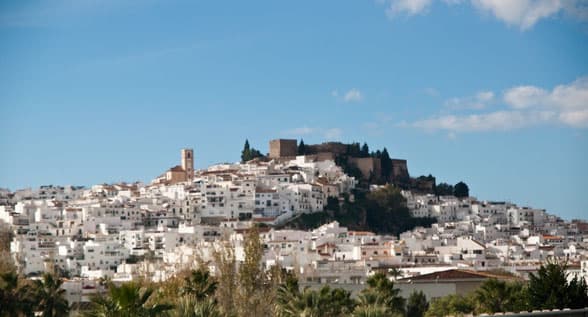
Wind through the Sierra de Grazalema and Sierra de las Nieves, connecting stunning whitewashed villages perched on hillsides. Ronda, with its dramatic bridge over a 120m gorge, is the centrepiece.
Pyrenean Passes Route
Cross the French-Spanish border via legendary passes including Port de la Bonaigua, Portalet, and the Col du Tourmalet. Some of the highest and most scenic roads in Europe.
Cabo de Gata Desert Coast
Ride through Europe's only true desert landscape in Almería province. Volcanic coastline, abandoned mines, spaghetti-western film sets, and otherworldly landscapes that look more like Morocco than Europe.
The Maestrazgo (Teruel/Castellón)
One of Spain's best-kept secrets for motorcyclists. Empty, twisting roads through remote mountain villages and deep canyons in the borderlands of Aragón and Valencia. Virtually zero traffic.
Northern Coast Road (N-634/N-632)
Follow the Cantabrian coast from the Basque Country to Galicia. Green mountains plunging into the Atlantic, fishing villages, cider houses, and Celtic-influenced culture. Spain's answer to the Scottish Highlands.
Practical Information for Riding in Spain
Licence & Documentation
EU licences valid. Non-EU riders need an IDP. Carry licence, registration, insurance certificate, and passport. Spanish Guardia Civil frequently conduct roadside checks, especially near borders and on popular touring routes.
Road Tolls
Spain has dramatically reduced motorway tolls in recent years, with many former toll roads now free. Remaining tolled sections are mainly in Catalonia and the Basque Country. Most scenic routes are toll-free.
Fuel & Services
Fuel stations are abundant on main roads but can be 50+ km apart in remote mountain areas. Prices are moderate by European standards. Many stations are fully automated. Credit cards widely accepted.
Speed Limits
Built-up areas: 50 km/h (30 km/h in residential zones). Secondary roads: 90 km/h. Dual carriageways: 100 km/h. Motorways: 120 km/h. Radar traps are common and fines start at €100. Points system applies to resident riders.
Required Equipment
ECE-approved helmet mandatory. Reflective vest required if stopping on the road. Two mirrors required on the motorcycle. Spare bulb kit officially required (though rarely checked). Headlights must be on at all times.
Accommodation Tips
Spain's parador network offers historic hotels (castles, monasteries) at reasonable rates. Casa rural (rural guesthouses) are excellent and affordable. Booking ahead is only essential in August and during local fiestas.
Road Conditions & Safety Tips
Spanish road surfaces are generally excellent, particularly on national roads and motorways. Mountain roads are well-maintained but can be narrow with tight hairpins. Watch for loose gravel on the inside of bends, especially after rain. Wild animals (goats, cattle) are common on mountain roads in the north. Spanish drivers are generally motorcycle-friendly but can be fast on country roads. Be extra cautious in cities where lane discipline is relaxed. Emergency number: 112.
Frequently asked questions
When is the best time for a motorcycle tour in Spain?
April to June and September to October are the sweet spots for most of the country — warm, dry, and quiet. Andalusia and the Mediterranean coast stay rideable all winter, and the Canary Islands are a genuine year-round destination. Avoid the interior and the far south in July and August, when temperatures regularly pass 40°C.
Should I choose a guided or self-guided motorcycle tour in Spain?
Guided tours suit first visits: a lead rider who knows the roads, a support vehicle for luggage, and hotels handled for you. Self-guided tours use the same routes and hotels but you ride at your own pace with GPS tracks. Spain is one of the easiest countries in Europe to tour self-guided — roads are well signposted and traffic outside the cities is light.
What licence do I need to ride a motorcycle in Spain?
A full category-A motorcycle licence from any EU country is valid in Spain. Riders from outside the EU should carry an International Driving Permit alongside their national licence. Rental operators typically require riders to be 21 or older with at least two years of riding experience — check each trip's requirements before booking.
How many kilometres per day is typical on a Spanish tour?
Most organised tours plan 200–300 km per day on twisty mountain roads, which works out to five or six hours of riding with proper stops. Distances look short on a map, but Spanish mountain roads are slow and endlessly cornered — that is the point of coming.
Do I need to bring my own motorcycle to tour Spain?
No — nearly all tours listed here include a rental motorcycle, usually a recent adventure or touring model, with insurance and unlimited mileage. Riding your own bike down is also popular: ferries run from the UK to Santander and Bilbao, putting you a day's ride from the best of northern Spain.
Where do most motorcycle tours in Spain start?
Málaga is the most common starting point for Andalusian tours thanks to its airport and year-round weather. Barcelona and Bilbao serve Pyrenees and northern routes, and Las Palmas is the hub for Canary Islands riding. Airport pick-up is included on most guided trips.
Is Spain good for off-road and adventure riding?
Exceptional. Spain has one of Europe's largest networks of legal unpaved trails (pistas forestales), and Andalusia, Aragón, and Extremadura are internationally known for enduro and trail riding. Several operators run dedicated off-road tours with trail-ready bikes and tuition.
How much does a motorcycle tour in Spain cost?
Pricing varies with the operator, the season, and whether bike rental is included. A guided week in Andalusia with a rental bike, hotels, and support vehicle is a multi-thousand-euro package; self-guided formats without the guide and support vehicle come in notably lower. Exact pricing, including seasonal supplements, is shown on each trip page before you book.