Motorcycle Tours in Europe
From Andalusian sierras to Atlantic coast roads — compare guided and self-guided motorcycle tours across Europe's best riding countries.
5 motorcycle trips available
Ride Europe by country

All motorcycle trips in Europe
5 trips found
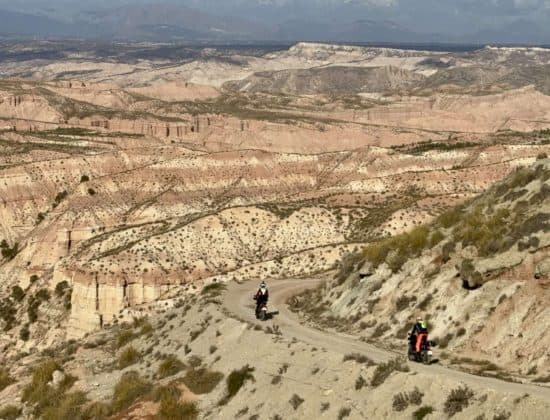 Adventure Touring
Circuit moto tout-terrain en Andalousie orientale
Andalusia, Spain
6–11 nov. · 6 days · Aries Moto Tours
€1,490 / person
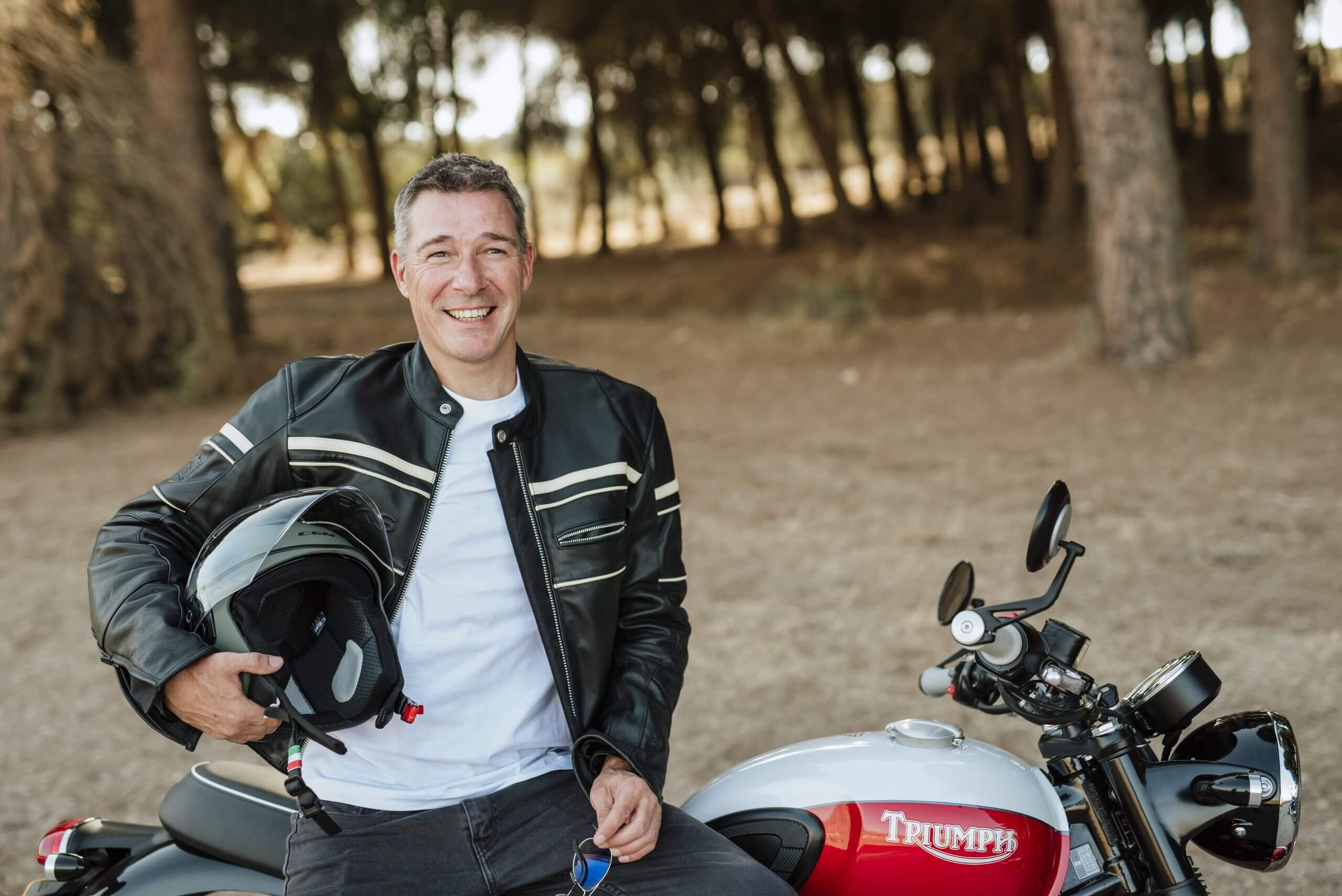
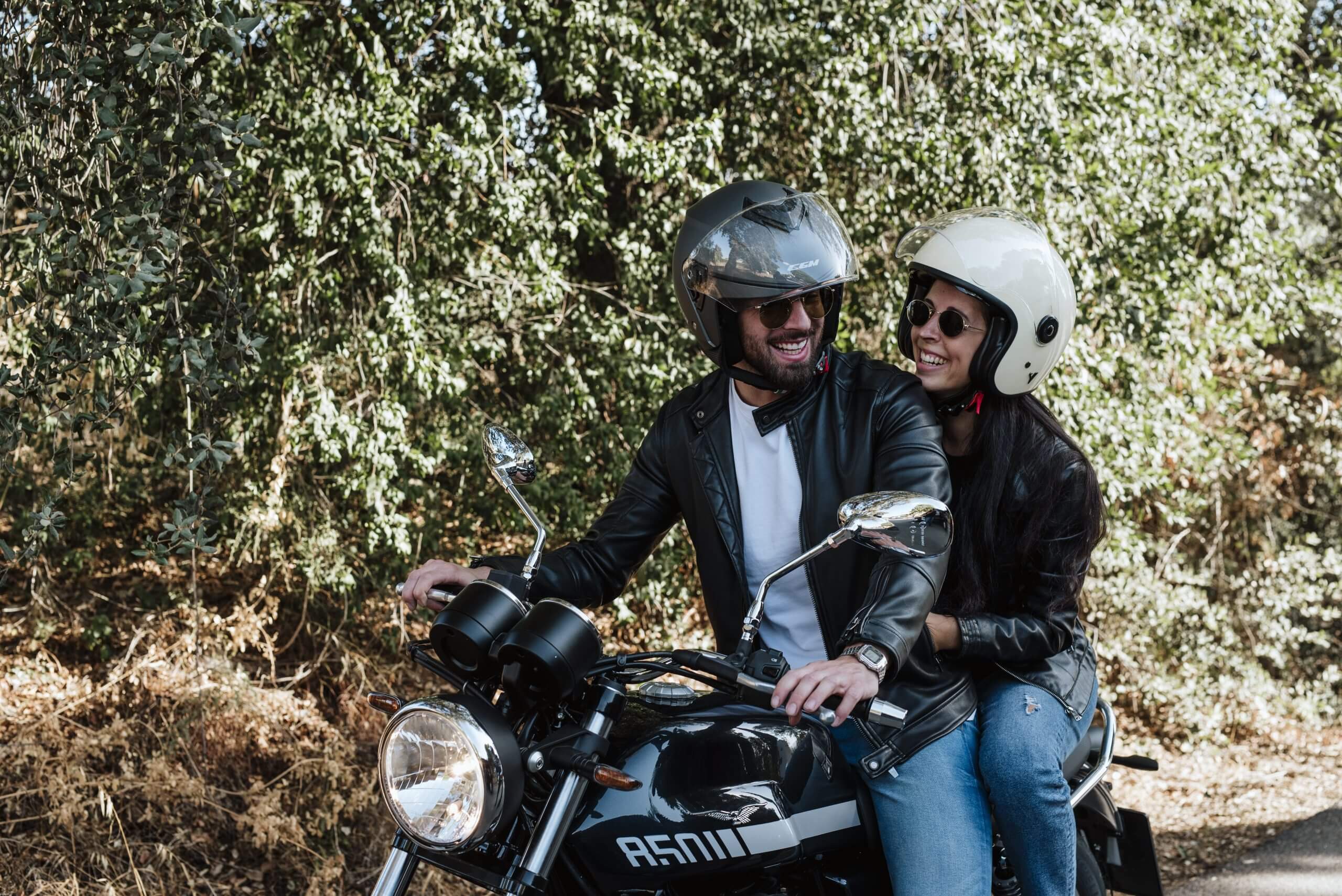 Road Touring
L'ultime circuit gastronomique
Andalusia, Spain
Dates on request · 8 days · Gourmet Biker Tours
€4,366 / person
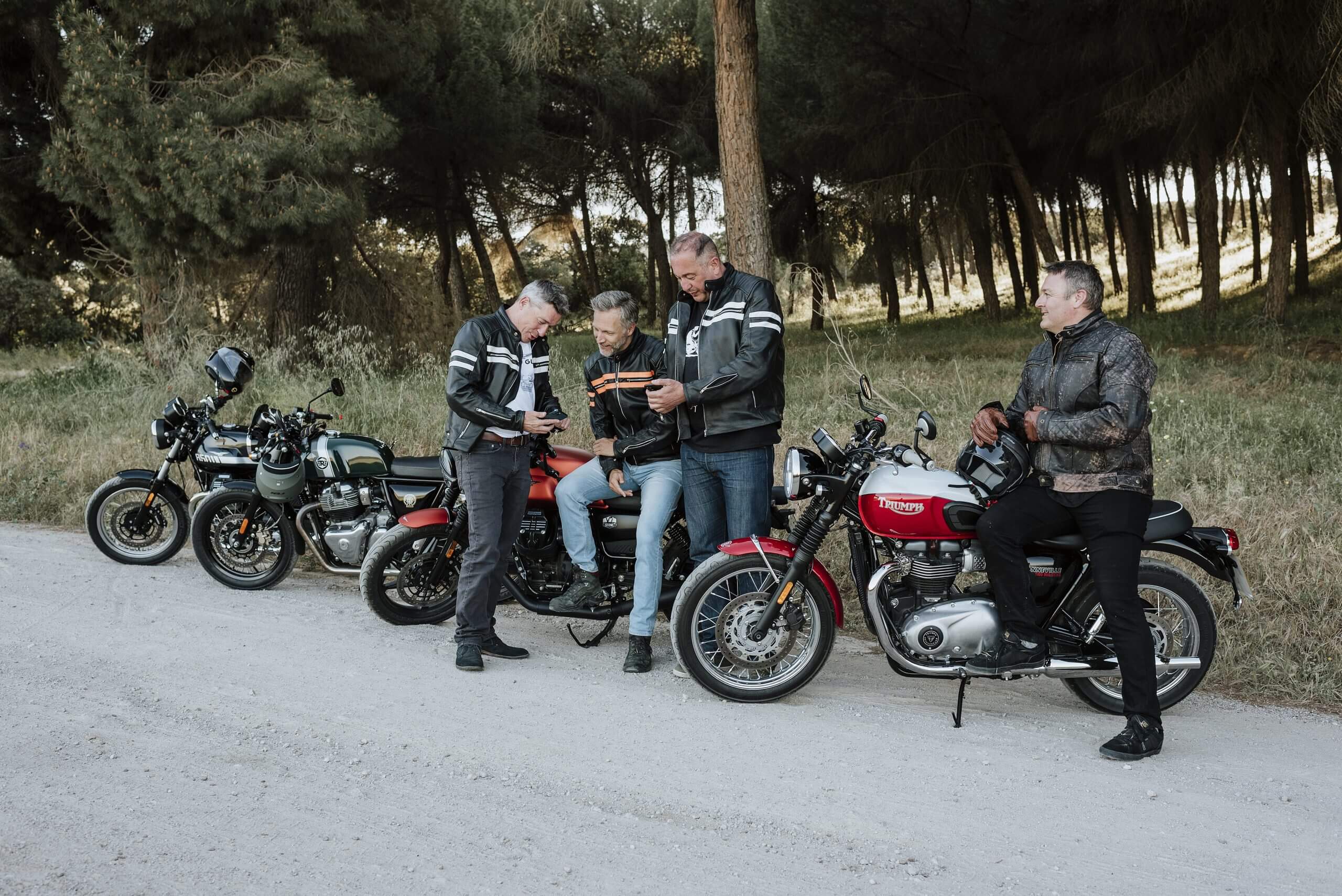
Motorcycle Tours in Europe: One Continent, Every Kind of Riding
Motorcycle tours in Europe cover more riding variety per kilometre than anywhere else on earth: Alpine passes and Andalusian sierras, Atlantic coast roads and Douro vineyards, all stitched together by open borders and the world's densest network of rider-friendly infrastructure. Whether you want a guided week in southern Spain, a self-guided loop through Portugal, or a route that crosses three countries before lunch, the tours on this page are the starting point — each one run by an operator who rides these roads for a living.
Key takeaways
- Open Schengen borders and dense rider infrastructure make it easy to link high mountain passes, Atlantic coastlines, and Mediterranean backroads in a single trip.
- Plan the destination around the month, not the reverse — the Mediterranean south rides almost year-round, the Alpine high passes are reliably open mid-June to September, and the regions in between are at their best in late spring and early autumn.
- For a first tour, Portugal and southern Spain lead on forgiving weather, surfaces, and light traffic; the Alps are the benchmark for high passes; Andalusia and the Canary Islands carry the winter.
- Most tours include a rental bike so you can fly to the start city, and every format exists — guided groups, self-guided GPS packages, and rental-only city bases.
How to Choose a Motorcycle Tour Operator in Europe
Searching for the best motorcycle tour company in Europe turns up hundreds of operators, and the honest answer is that "best" depends on the trip you want. What separates the good ones is consistent: routes they have run for years, group sizes they cap rather than stretch, and a support vehicle or genuine 24/7 assistance line. Add transparent pricing that states exactly what is included — and riders who come back, so look for reviews that mention repeat bookings. Fleet quality matters more than fleet badge: a recent, well-serviced machine from any major manufacturer beats a tired flagship. And match the operator to the format you actually want — a specialist in guided group touring is not automatically the right choice for a self-guided trip. Every operator on this marketplace lists exactly what each trip includes, so you can compare like for like before you commit.
Riding Across Borders: What You Need to Know
Europe's open borders are the reason multi-country motorcycle tours work so well — you can breakfast in France, cross a Pyrenean pass into Spain, and sleep in Portugal without showing a document. The paperwork that matters is the baseline: a licence category that covers your bike, proof of insurance, and the country-specific details that catch riders out (certified gloves in France, camera-enforced town-centre zones in Italy, electronic-only tolls in Portugal). Our riding-laws guide covers licence classes, insurance, and the road rules for every destination on this page, country by country — read it once before your first European tour and the borders take care of themselves.
Why Europe is the World's Best Motorcycle Touring Continent
Density of Great Roads
Nowhere else packs so many celebrated riding regions so close together — the Alps, the Pyrenees, Andalusia, the Douro — with neighbouring regions often just a day or two of riding apart.
Open Borders
The Schengen area means multi-country routes with no border stops. Cross from France into Spain mid-corner on a Pyrenean pass; the only sign you've changed country is the road-sign typeface.
Rider Infrastructure
Decades of touring culture built an ecosystem: biker-friendly hotels, tour operators with decades of local route knowledge, rental fleets in every hub city, and fuel never more than a valley away.
A Season for Every Month
When the Alps close, Andalusia is warm. When the south bakes in August, the mountains are perfect. With the Canary Islands in play, the European riding season simply never ends.
Every Format Available
Guided groups, self-guided GPS packages, rental-only city bases — the European market is mature enough that every trip style exists at every level, from long weekends to three-week epics.
Culture Between the Corners
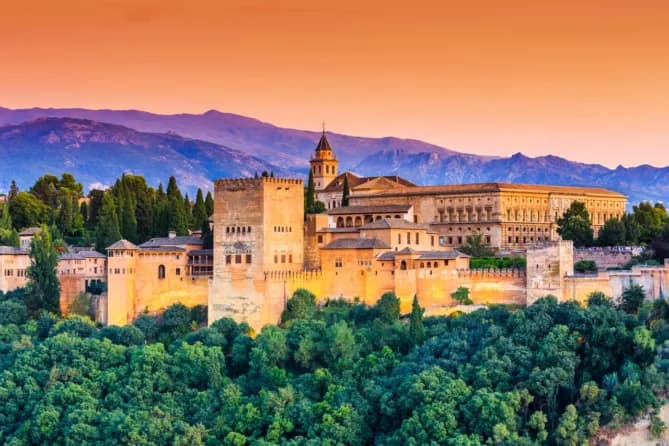
Rest days mean Granada's Alhambra, Porto's cellars, or a Bavarian beer garden. European touring is as much about where the roads go as the roads themselves.
Weather & Riding Seasons Across Europe
Europe's riding calendar is really three overlapping seasons: the Mediterranean south runs almost year-round, the Alpine high passes are reliably open from mid-June to September, and everywhere in between peaks in late spring and early autumn. Planning the destination around the month — rather than the other way round — is the single biggest upgrade to a European tour.
| Season | Temperature | Conditions | Riding |
|---|---|---|---|
| Spring (Mar–May) | 10–26°C / 50–79°F | Warming south to north; passes still closed early in the season | Southern Spain and Portugal are superb from March; central Europe joins from April. May is the sweet spot almost everywhere below the high passes. |
| Summer (Jun–Aug) | 20–40°C / 68–104°F | Hot in the south, settled in the mountains | Alpine and Pyrenean passes at their best. The far south is extreme in August — head up, not down. |
| Autumn (Sep–Oct) | 12–28°C / 54–82°F | Stable, golden, gradually cooling; passes close from late October | Arguably the best overall window: warm south, open passes early on, quiet roads everywhere. |
| Winter (Nov–Feb) | 5–24°C / 41–75°F | Cold and wet in the north, mild in the far south, subtropical offshore | Andalusia and the Algarve stay rideable; the Canary Islands are in full season while the rest of the continent is parked. |
Best time to ride: May, June, and September are the universal months — warm everywhere, passes open (or opening), and roads quiet. For winter riding, head to Andalusia or the Canary Islands; for high Alpine passes, aim for July to September.
Europe's Signature Riding Regions
Andalusia & the White Villages (Spain)
Ronda's gorge-top drama, the Sierra de Grazalema passes, and a season that never really closes — southern Spain is Europe's most reliable riding region.
The Pyrenees (Spain/France)
A 400 km wall of passes between the Atlantic and the Mediterranean, quieter than the Alps and every bit as good. The N-260 corridor is the classic line.
The Douro & Northern Portugal
Terraced river valleys, the N2 running the length of the country, and Europe's friendliest first-tour conditions.
The Alps (France/Italy/Austria/Switzerland & more)
The benchmark: Stelvio, Grossglockner, the Route des Grandes Alpes. High passes are reliably open mid-June to September; plan around the calendar, not just the map.
The Canary Islands (Spain)
Volcano roads, three climates in a day, and a genuine twelve-month season four hours from northern Europe — the continent's winter escape.
Morocco (beyond Europe)
A short ferry from Spain and a different world: the Atlas passes and desert fringes make the classic add-on to an Iberian tour.
Practical Information for Touring Europe
Licences & Documents
EU licence categories are harmonised — a full category A (or A2 where the fleet allows) is valid across every EU destination here. A UK photocard licence needs no International Driving Permit in these countries; other non-EU riders should carry one. See the riding-laws guide for the per-country details.
Tolls & Vignettes
Toll systems change at every border: barrier tolls in France and Italy, electronic-only gantries in Portugal, vignettes in Switzerland and Austria. Check each country on your route before departure.
Bike Hire vs Bring Your Own
Most tours on this page include a rental motorcycle, which turns a two-day motorway slog into a two-hour flight. Riding your own bike makes sense for longer trips — ferries from the UK reach northern Spain directly.
Currencies & Costs
The eurozone covers most destinations here. Day-to-day touring costs vary widely by country — Iberia is notably cheaper than the Alps for fuel, food, and hotels.
Road Conditions & Safety Across Europe
European road quality is generally excellent, but character changes at every border: Spanish mountain roads are wide and cambered, Portuguese interior roads are quiet but occasionally coarse, Alpine passes are engineered to perfection and busy with cyclists, and every country enforces speed differently — France and Switzerland most severely. Ride the road in front of you, not the reputation of the country it's in. The emergency number is 112 everywhere in the EU.
Frequently asked questions
Which European country is best for a motorcycle tour?
For a first tour, Portugal and southern Spain lead: forgiving weather, superb surfaces, light traffic, and mature touring infrastructure. Riders chasing high passes go to the Alps (mid-June to September); riders chasing winter sun go to Andalusia or the Canary Islands. Ultimately, the best destination depends on the month you plan to ride.
When is the best time for a motorcycle tour in Europe?
May, June, and September suit almost every destination: warm across the continent, Alpine passes open or opening, and roads quieter than in high summer. July and August are ideal in the mountains but punishingly hot in the far south, while November to February is prime season for Andalusia and the Canary Islands.
Can I ride through multiple countries on one tour?
Yes — open Schengen borders make multi-country routes seamless, and many classic itineraries cross two or three countries (Pyrenees tours ride France and Spain in the same day). You only need one set of documents — passport, licence, insurance certificate, and registration or rental papers — plus an awareness of each country's specific rules, which our riding-laws guide covers per country.
Do I need to bring my own motorcycle to tour Europe?
No — nearly every tour listed here includes a rental motorcycle, typically a recent adventure or touring model with insurance included, so you can fly to the start city. Bringing your own bike suits longer trips and riders who love their own machine; ferries from the UK to Santander and Bilbao put you a day from the best riding in Iberia.
How much does a motorcycle tour in Europe cost?
It depends on format more than anything: guided tours with a support vehicle, hotels, and bike hire cost the most; self-guided packages with the same hotels and routes come in noticeably lower; rental-only trips are the cheapest way in. Destination matters too — Iberia is markedly cheaper on the ground than the Alps. Every trip page here shows exact pricing and inclusions before you book.
What licence do I need for a European motorcycle tour?
A full category A motorcycle licence covers every bike on every tour; some operators also carry A2-compliant machines for newer licence holders. EU and UK photocard licences work across these destinations without extra paperwork, while other non-EU riders should carry an International Driving Permit. Most hire fleets also require two or more years of riding experience.
Guided or self-guided for a European tour?
Guided for a first visit to a region — the lead rider, support vehicle, and pre-booked logistics remove every unknown. Self-guided once you know how touring feels: same routes and hotels, your own pace, lower price. Both formats are mature across Europe, and Spain in particular offers a wide choice of each.
How long should a European motorcycle tour be?
Five to seven riding days is the sweet spot for a single region — Andalusia, the Douro, or one Alpine loop — long enough to settle into the rhythm without fatigue. Two weeks comfortably covers a multi-country route. Long-weekend trips work well from hub cities like Málaga where the good roads start at the airport fence.